Guide 3 min read
How to stop your cat scratching the sofa
Why cats scratch furniture and a gentle, step-by-step way to move them to a scratcher they’ll love more than your sofa.
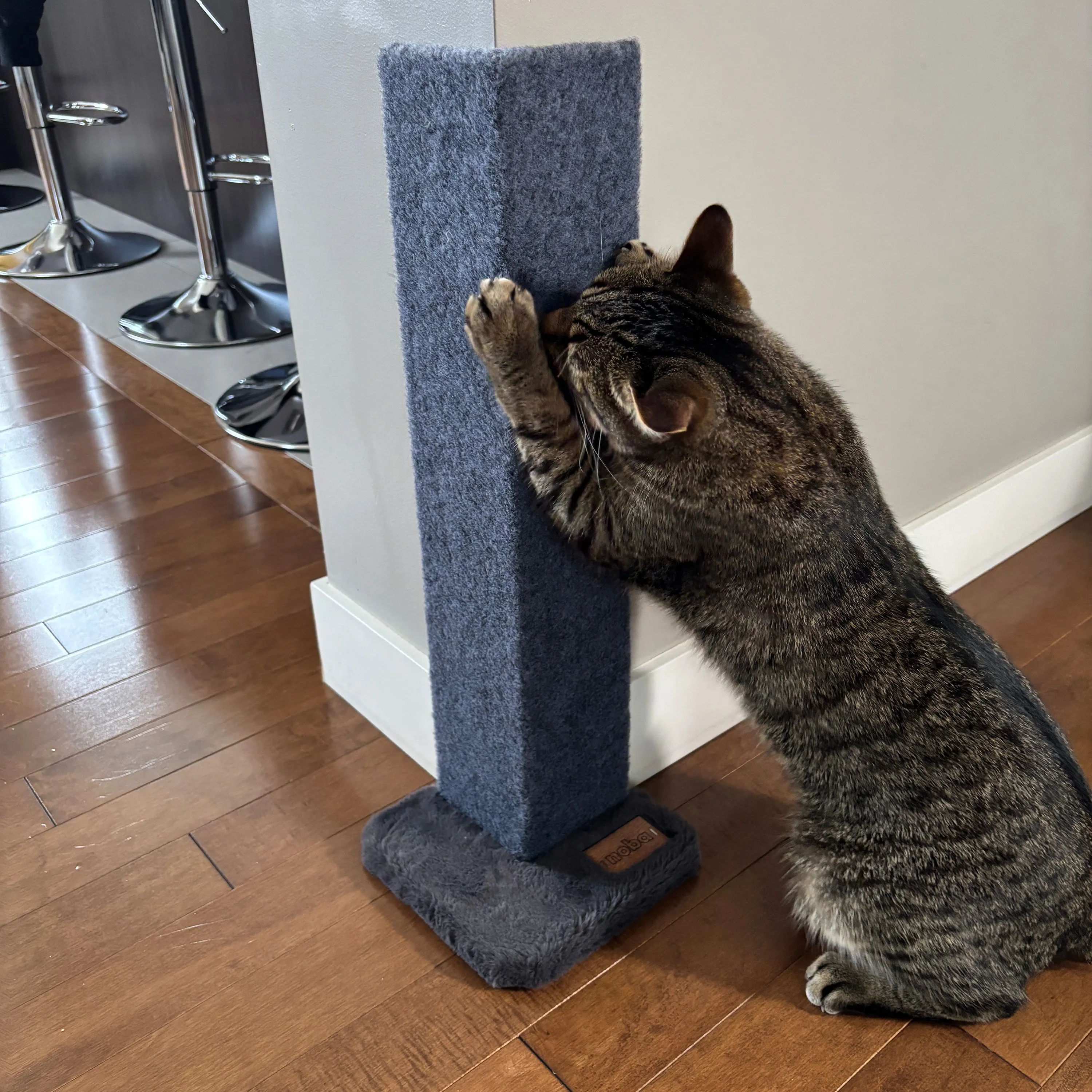
Your cat isn’t scratching the sofa to annoy you. Scratching is how cats keep their claws in shape, stretch their whole body and leave their scent: there are scent glands in their paws. You can’t stop the scratching, and you shouldn’t try. What you can do is move it somewhere better.
1. Notice where and how they scratch
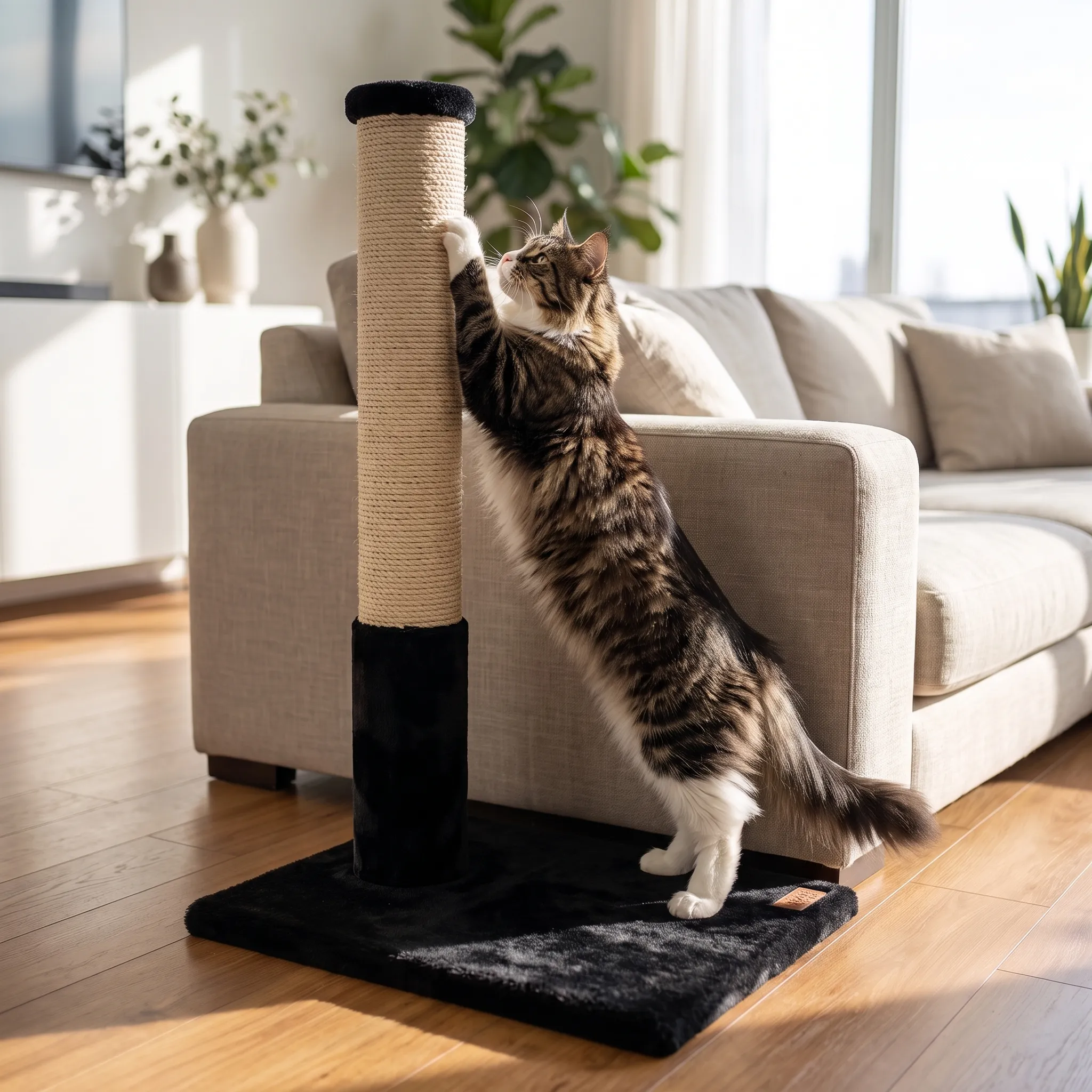
Watch for a few days. Does your cat stretch up the side of the sofa, or scratch the rug flat on the floor? The arm of a chair, or the corner of the bed? Cats have favourite spots and favourite angles, and the best scratcher copies both.
2. Put a scratcher right there
This is the step that matters most. A scratcher across the room won’t compete with the sofa your cat already loves. Place it directly in front of the spot, or over it:
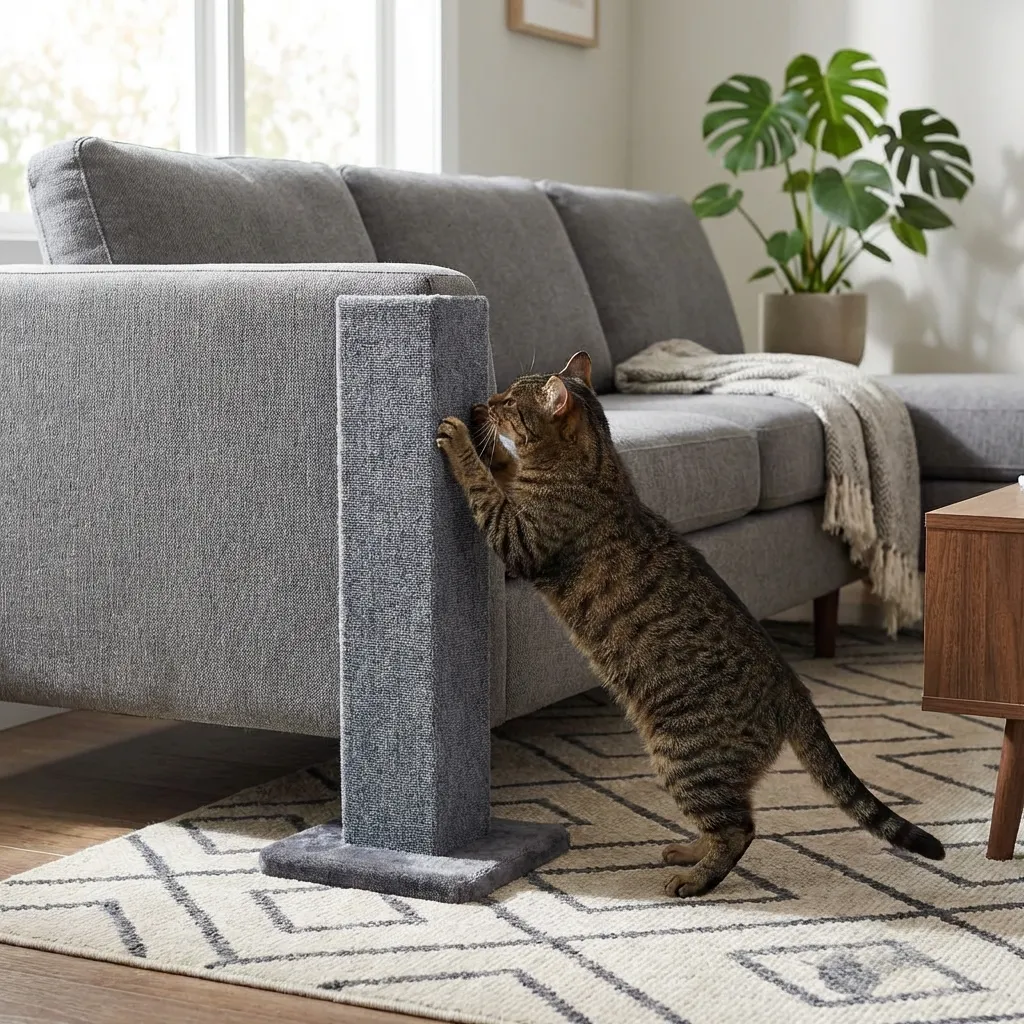
- For sofa corners and edges: a corner protector wraps around the corner itself, so the favourite spot becomes the scratcher.
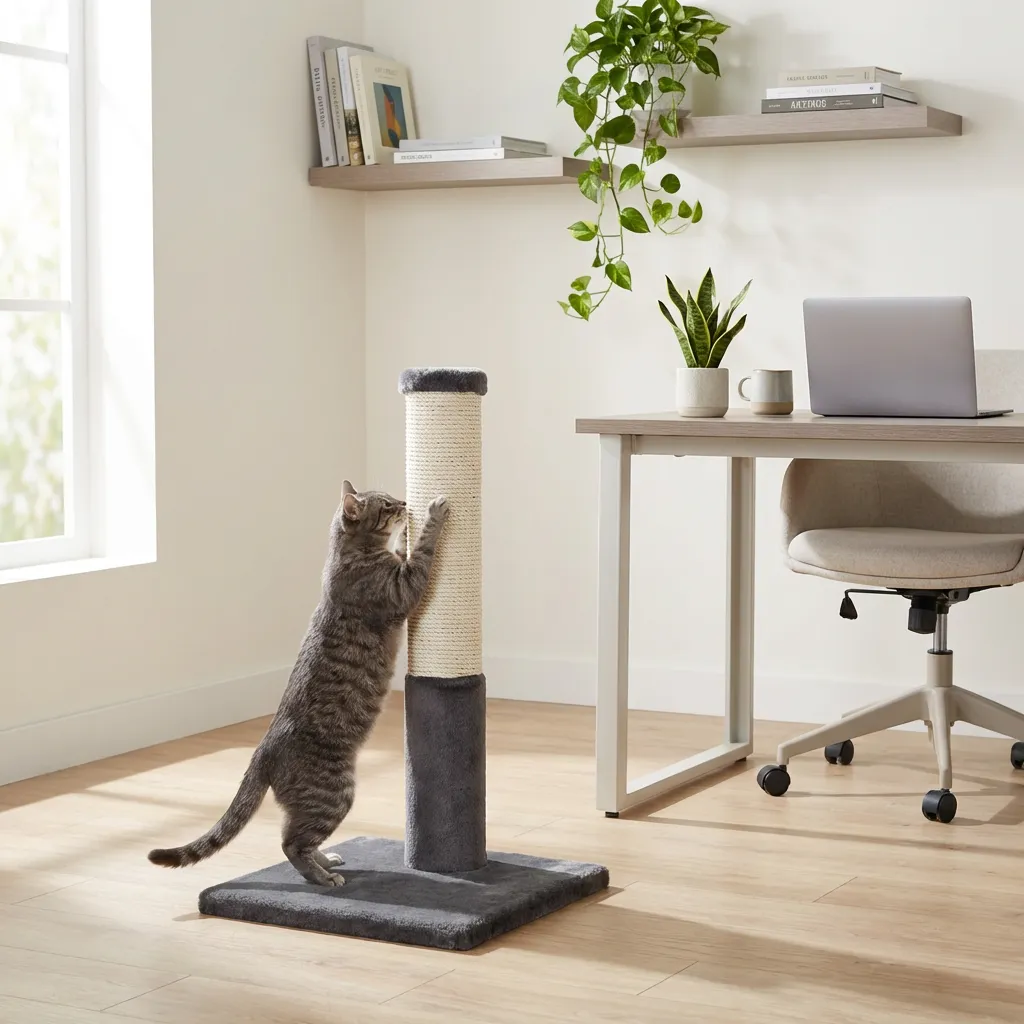
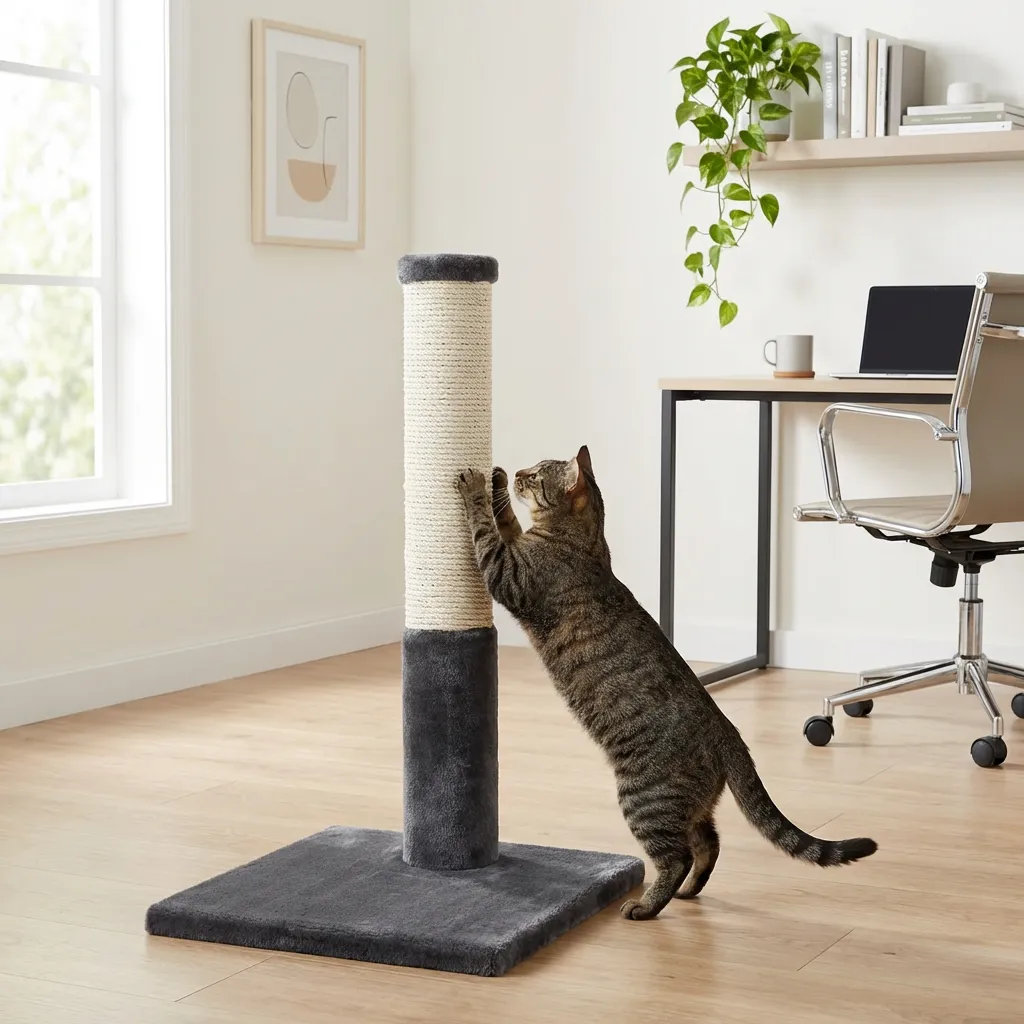
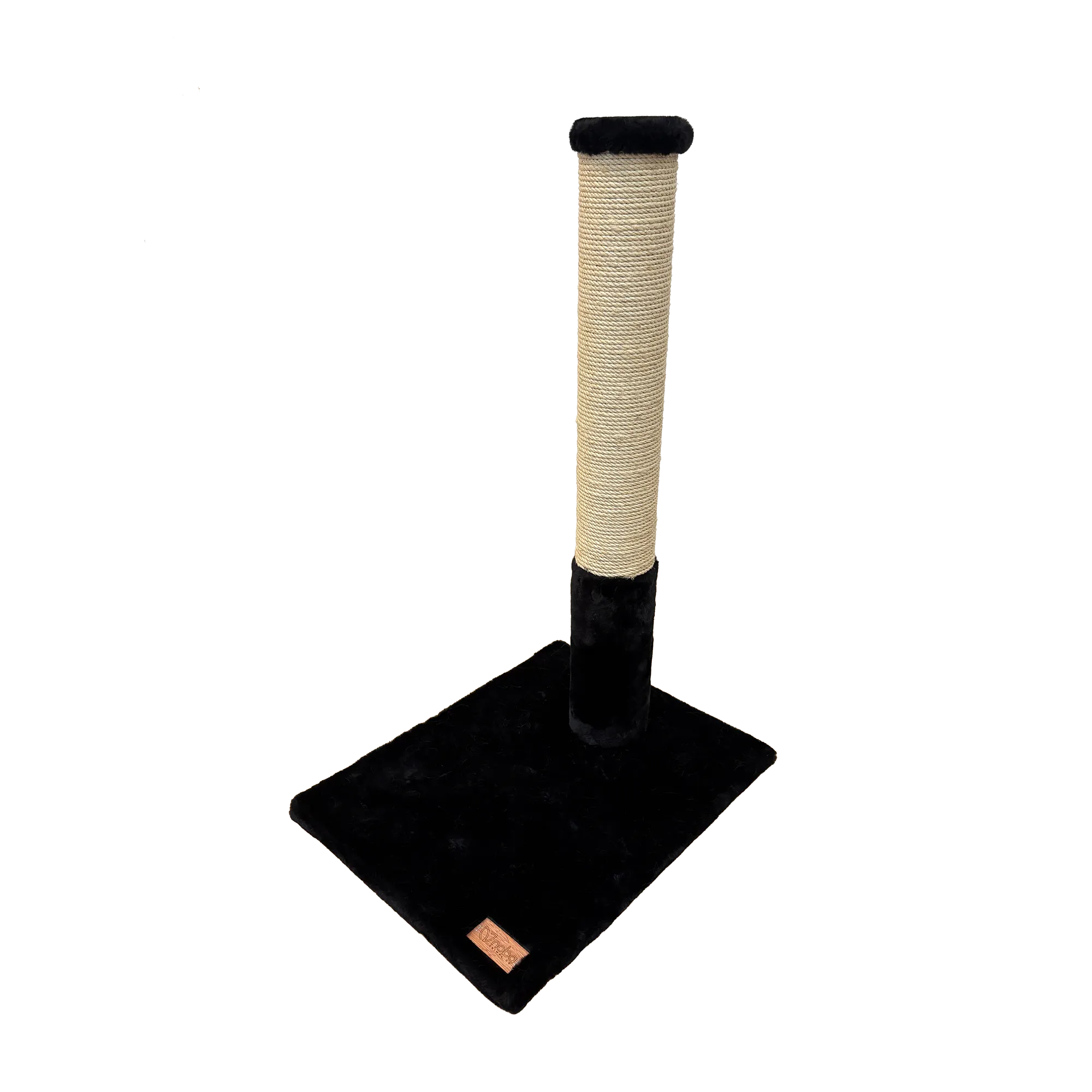
- For cats who stretch up: a tall, heavy post like the 71 cm Classic or the extra-thick Big Fat. If a post wobbles, your cat will go back to the sofa.
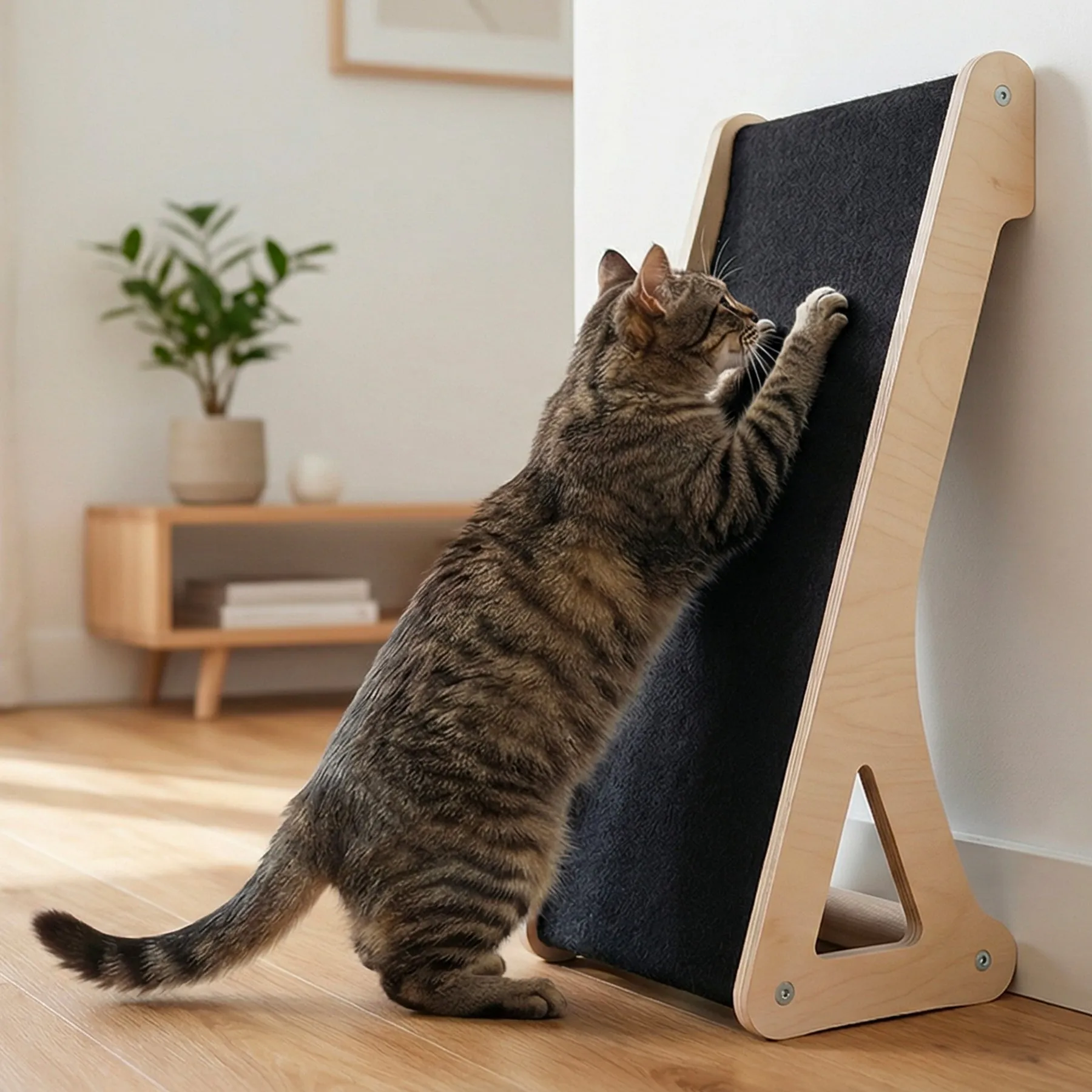
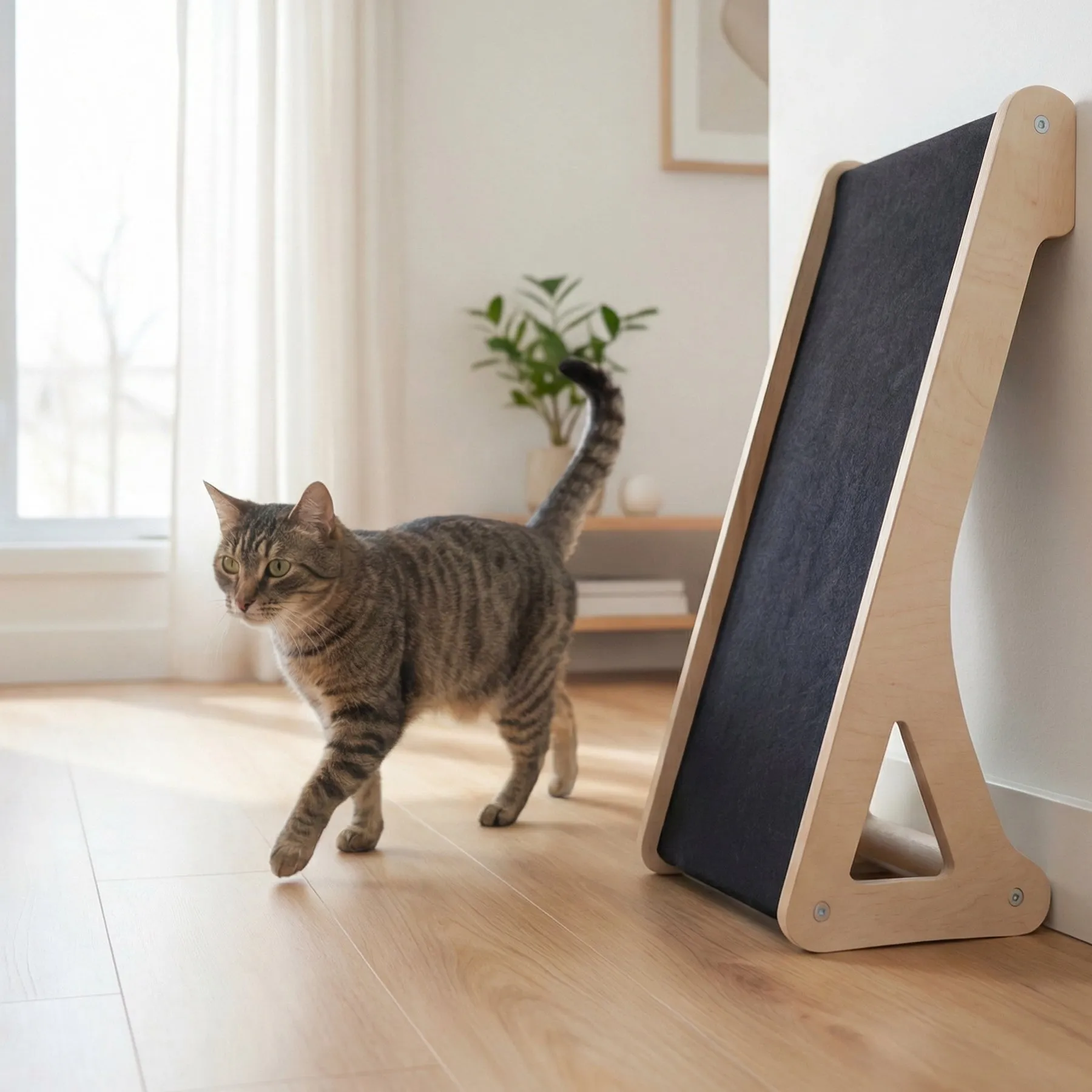
- For floor and rug scratchers: an angled scratcher like the Inclined Wall & Floor, which also works laid flat.
Not sure which angle your cat prefers? Offer one upright and one angled. The Sofa Saver Set puts both together with catnip spray.
3. Make the sofa less tempting, for now
While the new habit forms, cover the favourite spot with a throw or a fitted cover. Cats tend to dislike sticky surfaces, so double-sided tape on the spot can help too. Once your cat is using the scratcher every day, you can usually take these away.
4. Make the scratcher the best thing in the room
- A spritz of catnip spray draws most cats to something new.
- Play with a wand toy around the scratcher so they dig in their claws.
- Praise or give a treat when they use it. Never scold or punish for scratching the sofa: it only makes cats anxious, and anxious cats scratch more.
5. Keep claws trimmed
Trimmed claws do less damage while your cat learns. Trim just the sharp tip, well away from the pink quick. An LED nail clipper lights up the claw so the quick is easy to see.
How many scratchers do you need?
More than you’d think. A good rule: one in each room where your cat spends time, one near where they sleep (cats scratch when they wake up) and one by the front door, a common spot for marking territory.
A note on declawing
Declawing isn’t a nail trim: it’s surgery that removes the last bone of each toe. The Canadian Veterinary Medical Association opposes elective declawing, and several provinces have banned it. Patience and the right scratcher work.
For more ideas, see our Scratching the sofa? page.